
2026-07-14
The refreshed Bajaj Chetak raises a bigger question: are American commuters finally ready for practical electric scooters?
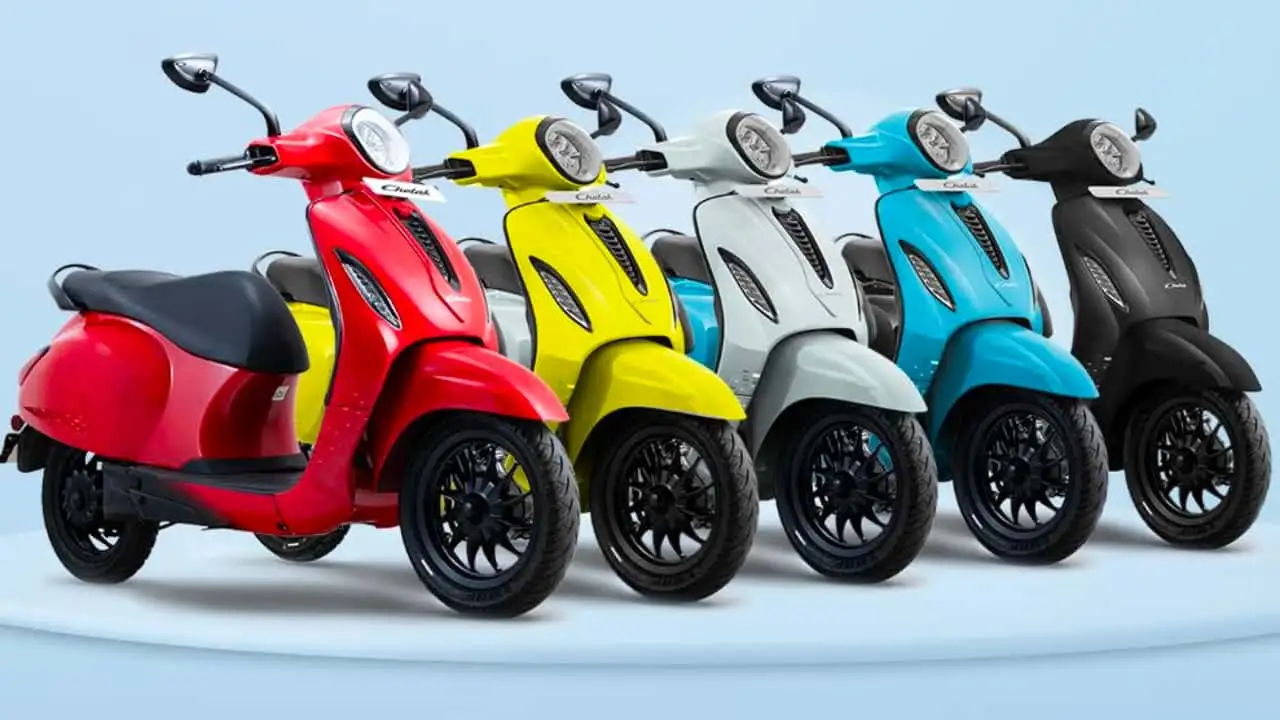
American riders have a funny relationship with scooters. Folks will spend $80,000 on a pickup truck to drive five miles to work, then look at a scooter rider and assume they're either on vacation or delivering someone's takeout. Meanwhile, across much of Asia, scooters are transportation in its purest form. They're practical, affordable, easy to park, and remarkably good at moving people through crowded cities.
That's why the latest update to the Bajaj Chetak caught my attention.
On the surface, this is just another model-year refresh for one of India's most popular electric scooters. Bajaj recently reorganized the entire lineup into new C25, C30, and C35 families, added features, increased performance, and generally made the scooter easier to shop for. Pretty standard stuff.
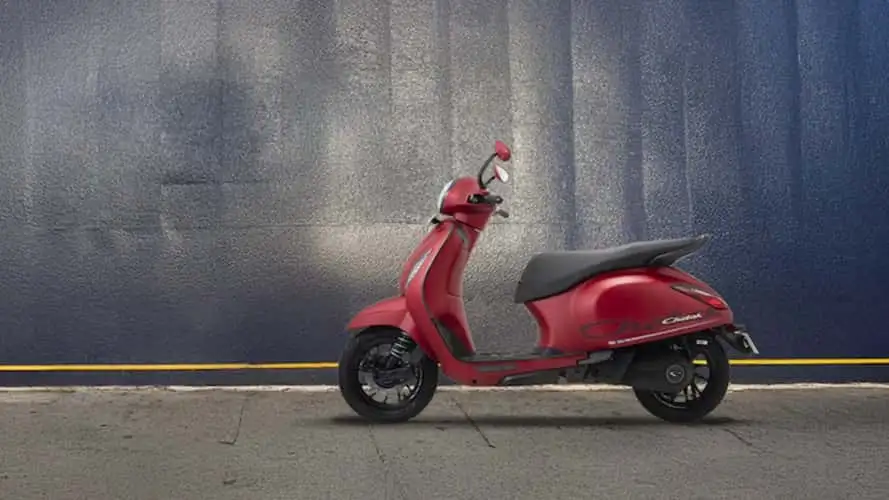
But the more I looked at the numbers, the more I found myself wondering whether America might actually be ready for something like this... Or at least whether America should be.
The updated Chetak lineup starts with the C25 series and works its way up through the C30 and C35 families. Depending on the model, riders get claimed ranges of up to 95 miles, top speeds reaching 50 miles per hour, Google Maps integration, over-the-air updates, hill-hold assist, multiple riding modes, and charging times that continue to shrink with each revision.
None of that sounds particularly revolutionary if you're comparing it to a Tesla or even a premium electric motorcycle. But that's kinda the point.
The Chetak isn't trying to replace your road-trip machine, your weekend canyon carver, or your lifted truck that hasn't seen dirt since it left the dealership. It's trying to solve a much simpler problem: getting from Point A to B without burning through fuel and requiring a monthly payment that rivals a mortgage. And for a surprising number of American riders, that's actually the vehicle they need.
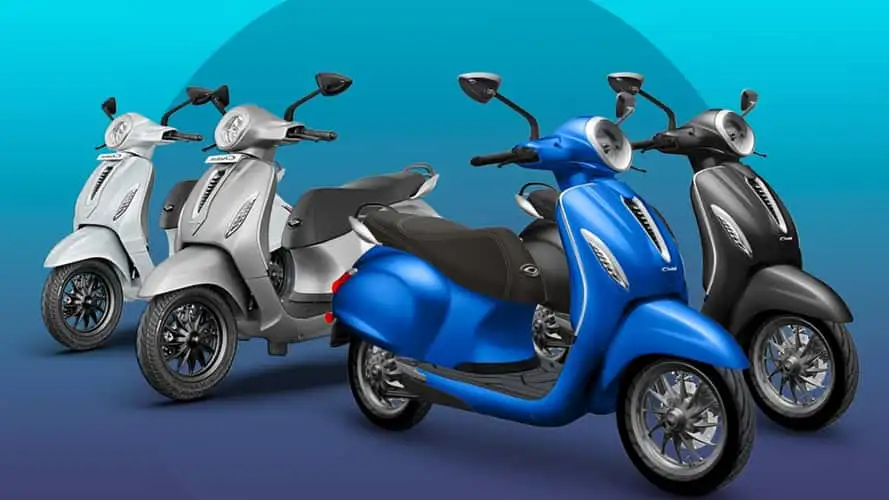
The average American commute remains well under the Chetak's claimed maximum range. Urban errands are even shorter. Grocery runs, coffee stops, gym trips, and school pickups rarely require triple-digit range figures or freeway-crushing performance. Yet the vehicles we typically buy are engineered to cross entire states at interstate speeds. Of course, there's one obvious catch. America isn't India.
A scooter capable of 50 miles per hour works perfectly in many Indian cities where traffic moves in dense, organized chaos and average speeds aren't particularly high. In the US, that same top speed can become a limitation the moment a road sign starts showing numbers that begin with a six or a seven. That's been one of the biggest hurdles for scooters in America for decades.
Even when they make perfect sense, many riders don't want to plan their routes around avoiding faster roads. Convenience disappears quickly when every trip requires checking maps like you're plotting a military operation. Yet something interesting has happened over the last few years. Americans have become increasingly comfortable with small electric vehicles.


