2026-08-18
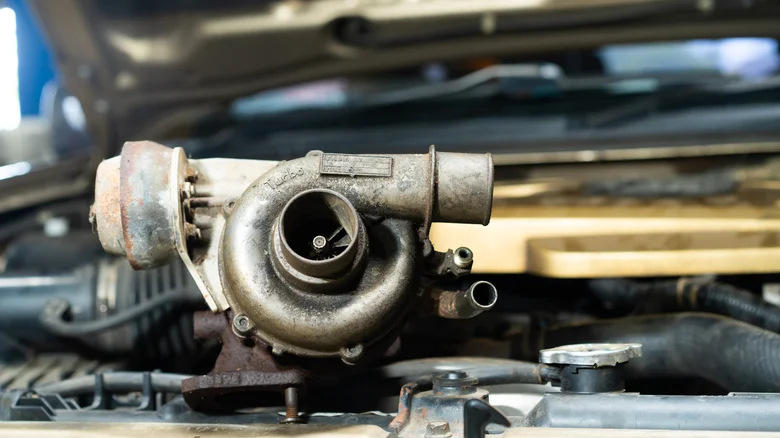
Equipping your vehicle with a turbocharger can theoretically benefit both you and others. By improving your engine's efficiency while also giving it a power boost, a turbocharger may reduce your overall resource consumption. This is good for the environment while also ideally improving the driving experience. However, before purchasing a turbocharger, it's important to understand the potential disadvantages of installing one. Depending on various factors, installing a turbocharger can potentially harm your engine's reliability.
None of the information here is meant to suggest that there's never any good reason to equip a vehicle with a turbocharger. Drivers should simply be informed before installing new components in their vehicles. Similarly, it's wise to know what you're getting into before buying a car with a built-in turbo. While these components absolutely can yield engine and driving improvements, that doesn't make them ideal in all situations and contexts.
Turbochargers add to upfront cost and maintenance needs
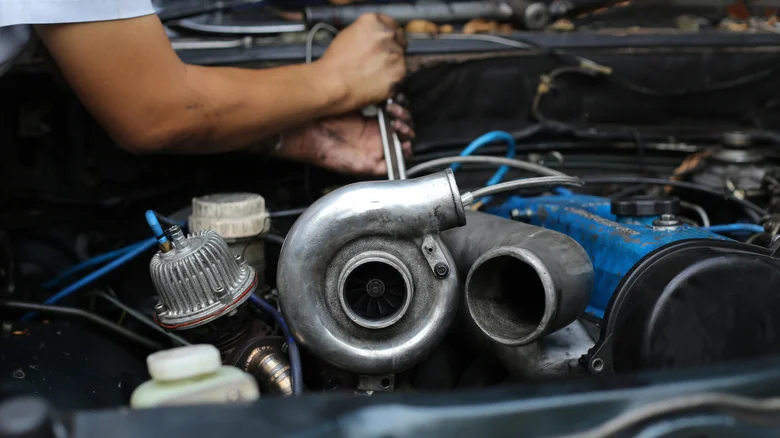
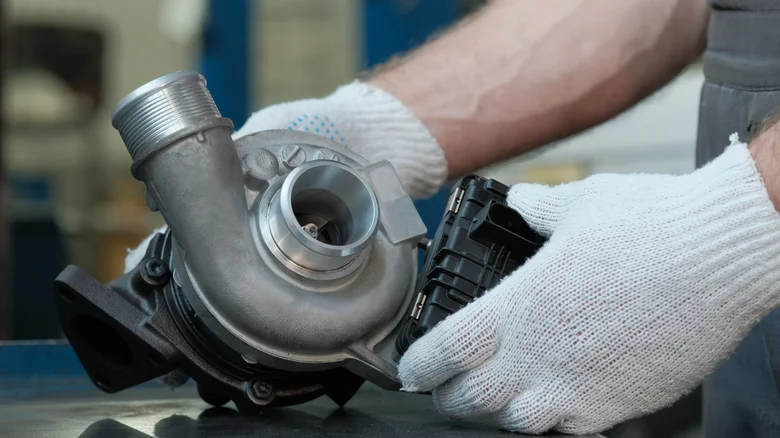
On the one hand, a turbocharger is supposed to optimize your engine's efficiency. This means it's technically possible that installing a turbocharger in your vehicle will save you money in the long run. That said, you do need to account for the upfront cost of the turbo before deciding this is a necessary purchase. In addition to the unit's price, you'll also have to consider the installation process. You may need to hire a professional to assist with the installation if you're not confident you can tackle it yourself. This will add to the cost.
A turbocharged engine may also require more maintenance than an engine without a turbo. For example, if you equip your vehicle with a turbocharger, you might have to schedule oil changes more frequently. This is another instance in which costs can add up. Generally, because a turbocharger can make an engine less reliable, you'll need to pay greater attention to overall engine issues that may develop. Of course, if engine issues do arise, addressing them will further add to your expenses.
Keep in mind that, along with paying more attention to your engine's health, you may also need to monitor for signs that your turbo is failing. As users discussing the topic in communities like Reddit's r/cars subreddit explain, a turbocharger adds more moving parts to a vehicle. More parts and complexity mean more ways for parts to break down.
Turbos can cause potential engine damage

Monitoring your vehicle's turbocharger for signs of failure is absolutely vital if you choose to install one. That's because a turbocharger that fails can damage the engine itself.
If the turbocharger fails, naturally, it will need to be replaced. This can cost thousands of dollars. Perhaps more importantly, turbocharger failure can cause pieces of metal to enter your vehicle's engine. Depending on the extent of the damage, repairing the engine could cost more than the total value of the vehicle itself.
Even if the turbocharger doesn't fail, its very presence can sometimes add to the cost of general engine and vehicle repairs. This is sometimes simply due to the fact that the space around the engine can become more cramped when a turbocharger is installed. This adds to the complexity involved in performing certain repairs, which will in turn add to the overall cost of performing said repairs, even if the turbocharger doesn't cause additional damage.
Turbo lag affects acceleration

It's worth noting that many of the potential disadvantages of installing a turbocharger are just that: potential. Various factors can often influence whether these issues will ever actually arise.
Consider the example of turbo lag. This is a relatively common issue among vehicles with turbos, and it's an example of the way the driving experience can sometimes be less smooth with a turbocharger, despite the fact that turbochargers are meant to improve the experience.
Essentially, a turbocharger needs a certain amount of time to actually deliver a boost after a driver presses down on the accelerator. This can result in a delayed acceleration response. On the one hand, there are several modern turbochargers that may eliminate this problem. On top of that, factors like engine size and other details can influence whether turbo lag strikes at all. Regardless, it's helpful to be aware of the ways a turbocharger might actually negatively affect how smoothly a vehicle performs.
Turbocharged cars may cost more